
Door & Window Weatherseal Repair: A Complete Guide to Fixing Draughty PVCu Windows (2026)
Updated: Apr 6
Last winter, a homeowner recently discovered that failing gaskets were adding 15% to their monthly heating costs. That annoying whistling sound during a storm isn't just a nuisance; it's a clear sign that your home's thermal barrier has failed. You likely already feel the chill creeping in near your UPVC frames, and you're tired of watching your energy bills climb while your comfort drops. Mastering a window seal repair is the most effective way to reclaim your home's warmth without the massive expense of replacing entire units.
It's frustrating to face a wall of confusing rubber profiles when you just want a warm living room. With expertise from Door-Tech Services, we'll teach you how to identify the exact gasket profile required for your specific window brand to ensure a seamless, professional fit. You'll learn the technical precision needed to measure, cut, and install new seals that provide an immediate, airtight result. By following this guide, you can eliminate draughts and secure a quieter, more efficient home this weekend.
Key Takeaways
Learn to identify your specific gasket profile, such as Bubble or Q-Lon, to ensure a precision weather-tight fit for your UPVC windows.
Recognise the urgent warning signs of failing gaskets, including audible whistling and visible light gaps, to prevent heat loss and rising energy bills.
Master the professional method for window seal repair to safely remove perished rubber and install high-performance replacements yourself.
Understand the vital role gaskets play in thermal and acoustic insulation, helping you maintain a quiet, draught-free home environment.
Discover how to source heavy-duty, specialist seals from Door-Tech Services to guarantee long-lasting durability and functional restoration.
Table of Contents
What is Window Seal Repair and Why is it Essential?
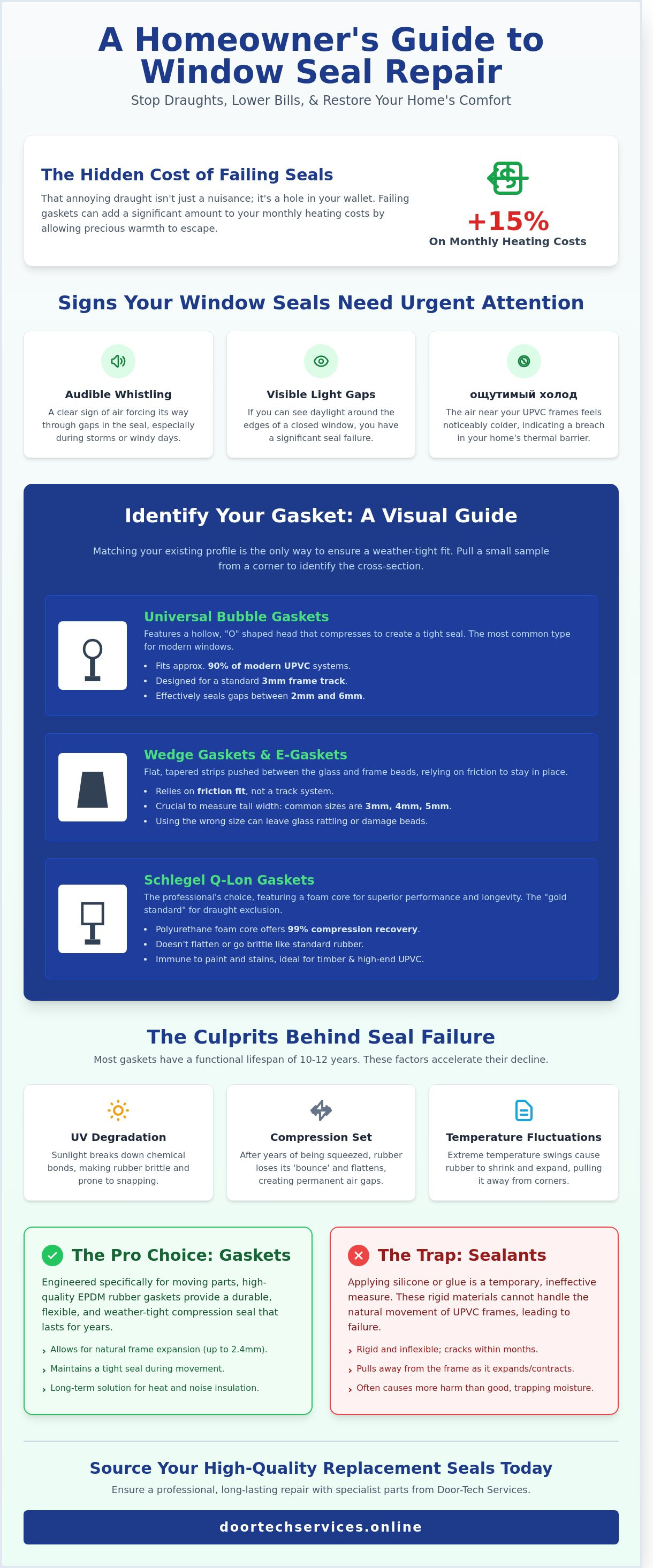
Faulty windows compromise your home's security and warmth. Professional window seal repair isn't about applying a bead of bathroom sealant around your glass; it involves the precise replacement of the perishable rubber gaskets that sit between the frame and the sash. These components act as the primary barrier against the British weather, providing essential thermal performance and acoustic insulation. When these gaskets perish, your home loses heat rapidly. Research shows that failing seals can increase domestic heat loss by up to 15%, forcing your heating system to work harder to maintain a comfortable temperature.
Don't fall into the trap of 'repairing' old rubber with glue or silicone. This is a temporary and ineffective measure that often causes more harm than good. Adhesives lack the flexibility required for moving parts and will inevitably crack within months. Investing in a proper window seal repair using high-quality EPDM (Ethylene Propylene Diene Monomer) rubber ensures a weather-tight finish. The long-term benefits are clear: you'll enjoy lower energy bills, a significant reduction in external noise pollution, and a living environment free from cold spots and dampness.
The Difference Between Gaskets and Sealants
Rubber gaskets are engineered specifically for opening sashes because they provide a compression seal. Unlike mastic or silicone, which are static, gaskets allow for the natural movement of UPVC frames. A standard 1,000mm UPVC profile can expand by up to 2.4mm in direct sunlight. Gaskets absorb this movement while maintaining a tight seal. Sealants are rigid; they pull away from the frame when it expands or contracts, leading to immediate leaks and draughts.
Why Window Seals Fail Over Time
Most window gaskets have a functional lifespan of 10 to 12 years before they require attention. Several factors accelerate this decline:
UV Degradation: Constant exposure to sunlight breaks down the chemical bonds in the rubber, making it brittle and prone to snapping.
Compression Set: After years of being squeezed shut, the rubber loses its 'bounce' and flattens, creating permanent air gaps.
Temperature Fluctuations: In the UK, windows endure swings from -5°C in winter to 30°C in summer. This causes the rubber to shrink, often pulling it away from the corners first.
We see these issues daily. Identifying the problem early prevents water ingress from damaging your internal plasterwork and window boards.
Identifying Your Window Gasket: Bubble or Q-Lon?
Matching your existing profile is the only way to ensure a weather-tight fit. A mismatch of just 1mm leads to whistling draughts or a jammed handle. You'll need to identify the exact shape before ordering parts. Open your window and pull a 50mm sample of the current seal from the frame corner. This cross-section reveals the profile you need to replicate. Precision here prevents the common mistake of buying a seal that's too thick, which puts dangerous levels of stress on your hinges and locking points.
Universal Bubble Gaskets
These gaskets feature a hollow, "O" shaped head that compresses when the window closes. They fit approximately 90% of modern UPVC systems. The "push-in" arrow head fits into a standard 3mm track found in most UK frames. High-quality versions use TPE (Thermoplastic Elastomer), which remains flexible in temperatures ranging from -40°C to +70°C. This material ensures the bubble fills gaps between 2mm and 6mm effectively. If your frame is over 20 years old and the original manufacturer is unknown, a universal bubble gasket is usually the safest choice for a successful window seal repair.
Schlegel Q-Lon Gaskets
Professionals consider Schlegel Q-Lon the gold standard for draught exclusion. Unlike rubber, it features a polyurethane foam core wrapped in a low-friction polyethylene skin. This design allows for a 99% compression recovery rate, meaning it won't flatten out over time like cheaper PVC alternatives. It's the primary choice for timber windows and high-end UPVC systems because it's immune to paint and stains. If you're struggling to identify a complex profile, our technicians at Door Tech Services can provide expert identification to ensure your window seal repair restores your home's thermal efficiency immediately.
Don't settle for "close enough" when it comes to your home's insulation. A 10% increase in seal thickness can double the force required to close a window, leading to long-term frame warping. Always test your 50mm sample against the new gasket to confirm a perfect match before committing to a full installation.
Signs Your Window Seals Need Urgent Attention
A failing window seal is more than a minor annoyance. It compromises your home security and sends your energy bills soaring. Inspect your frames for visible gaps today. If you see light piercing through the edges of the window frame, the seal has physically contracted or perished. High winds often reveal these weaknesses through audible whistling or howling noises. This sound occurs when air is forced through minute cracks at high pressure. You might also notice black mould or damp patches forming on the internal window reveal. This moisture ingress indicates that the weather-tight barrier is no longer functional. Standing near a closed window and feeling a distinct cold draught is a clear sign that a window seal repair is required to restore thermal efficiency.
Draughts vs. Blown Double Glazing
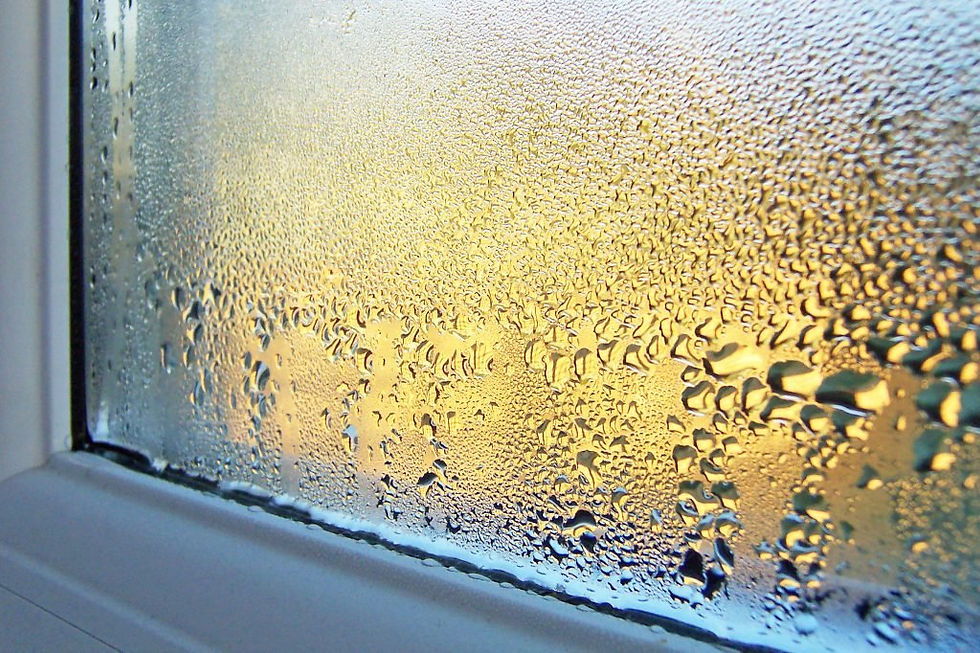
Distinguish between a faulty gasket and a failed glass unit. A draught usually points to a perished rubber gasket on the frame. If you see condensation trapped between the two glass panes, the window is "blown." This means the hermetic seal of the Insulated Glass Unit (IGU) has failed. Replacing a perimeter gasket won't fix a blown window. You must replace the entire glass unit to regain your 1.2 U-value performance. A professional window seal repair focuses on the frame's ability to keep out wind and rain. Blown units require specialist glazing replacement to stop heat transfer.
The 'Paper Test' for Compression
Test your window's integrity with a single sheet of A4 paper. Open the window and place the paper across the frame. Close and lock the window firmly. Try to pull the paper out. If it slides out with zero resistance, your seals have lost their compression. A secure seal should grip the paper tightly. In a 2023 survey of UK residential properties, poor window compression accounted for approximately 15% of total domestic heat loss. A loose paper test confirms that your windows are leaking expensive heat. They require immediate calibration or seal replacement to protect your home's comfort and safety.
How to Measure and Replace Window Seals Yourself
A DIY window seal repair is a cost-effective way to eliminate draughts and reduce energy bills. You only need a few basic tools: sharp scissors, a microfibre cloth, and a bowl of warm, soapy water. Begin by pulling the perished rubber gasket out of the UPVC track. If the seal is brittle and snaps, use a small flat-head screwdriver to gently pry the end loose. Avoid metal scrapers that can gouge the plastic frame. Once the old material is removed, scrub the internal channel thoroughly. Dirt and grit build-up prevent the new gasket from seating correctly, which often leads to whistling noises during high winds.
Measuring for the Correct Fit
Precision is vital for a weather-tight finish. You must measure the 'arrowhead' or 'dart' portion of the seal. This is the part that clicks into the frame groove, usually measuring 3mm or 4mm in width. Use a digital caliper if possible for a 100% accurate reading. Measure the overall height and width of the seal profile to ensure it fills the gap between the sash and the frame without being too bulky. Always order 10% more material than your initial measurements suggest. This extra length accounts for cornering and prevents you from running short on the final window.
Step-by-Step Installation Guide
Start your installation at the top centre of the window frame. This placement ensures the inevitable join is protected from direct rainfall and remains hidden from view. Press the gasket into the track firmly. You will feel it click into position when it's seated properly. Never pull or tension the rubber during installation. Stretching the material causes it to shrink back over the first 12 months, which creates 5mm gaps at the corners. When you reach a corner, push the rubber deep into the angle before continuing. Cut the final end slightly long so the two pieces butt tightly together.
Maintenance Tips for Longevity
Clean your new seals every 6 months using a simple soap solution. This removes acidic soot and UV-sensitive debris that cause rubber to perish within 3 years. Avoid solvent-based cleaners or bleach. These harsh chemicals strip the protective oils from the gasket, leading to premature cracking. While cleaning, check your friction stays and hinges for alignment. If your hinges are worn, the window won't compress the seal evenly. If you notice persistent leaks after a DIY attempt, contact our expert team for a professional window seal repair and restore your home's thermal efficiency.
Choosing High-Quality Replacement Seals from Door-Tech Services
A failed gasket ruins your home's thermal efficiency and allows noise pollution to seep inside. Door-Tech Services acts as one of the UK’s leading specialist for window and door hardware. We stock over 50 different gasket profiles to ensure your window seal repair is permanent and effective. Our inventory includes everything from versatile Universal Bubble gaskets to high-performance Schlegel Q-Lon ranges. These professional-grade components offer superior compression recovery compared to standard rubber seals found in local DIY shops. We prioritise durability and long-term value in every part we supply to our customers.
The Door-Tech Advantage
We don't just sell parts; we provide precision solutions. Our team brings 40+ years of technical experience in window, door and high-security hardware to every enquiry. We supply durable, trade-quality components that maintenance professionals across the UK trust for daily repairs. Whether you're a DIYer fixing a single draughty bedroom window or a contractor managing a large estate, we provide the same level of calibration and care. Our identification service is seamless. Send us a clear photo or a small 20mm sample of your existing seal. We'll match the profile exactly to ensure a perfect, weather-tight fit every time.
Your Next Steps to a Warmer Home
Stop letting heat escape through perished rubber and brittle seals. A successful window seal repair can reduce heat loss through frames by up to 15% in older uPVC installations. We make the restoration process simple and fast.
Browse our full range of window hardware and seals online to see our current stock.
Contact our technical team for free advice if you are struggling to identify your specific gasket profile.
Take action today for a more energy-efficient tomorrow. Your comfort and home security are our priority. We provide the tools and parts you need to get the job done correctly the first time. Trust the local experts to deliver the hardware that keeps the British weather outside where it belongs.
Secure Your Home and Slash Energy Costs Today
Don't let a failing gasket compromise your property's security or your monthly energy bills. Identifying whether you need a Bubble, Wedge, or Q-Lon seal is the vital first step toward a warmer, quieter home. Once you've measured your existing profile, the actual window seal repair process is a straightforward DIY task that can prevent up to 25% of heat loss through draughty UPVC frames. It's a simple fix that delivers immediate results and long-term value for any homeowner.
Door-Tech Services provides the technical precision you need to finish the job correctly. As specialist UK-based hardware experts, we maintain a massive stock of high-quality Schlegel Q-Lon and Universal gaskets designed for maximum durability. We know that a draughty window feels like an emergency when the temperature drops. We offer fast national delivery on all orders to ensure your repairs are completed without delay. You can rely on our heavy-duty, professional-grade components to restore your windows to their original factory performance levels.
Take control of your home maintenance and stop the cold air from entering your living space. Shop Our Full Range of Replacement Window Gaskets & Seals today and enjoy a more comfortable home tomorrow.
Frequently Asked Questions
Can I repair a window seal without replacing the glass?
You can replace the external rubber gaskets without changing the glass, but a blown double-glazing unit requires a full glass replacement. If you see moisture or fogging between the panes, the internal hermetic seal has failed. This issue affects roughly 25% of UK windows over 15 years old. We provide a guaranteed window seal repair by installing a new insulated glass unit to restore thermal efficiency immediately.
How do I know which window gasket profile I need for my PVCu windows?
Identify your gasket profile by cutting a small 20mm section from the existing seal and checking its cross-section shape. Most UK PVCu frames use one of three main types: wedge, bubble, or E-gasket. Match your sample against a 1:1 scale profile chart to ensure a perfect fit. Using the wrong 3mm or 4mm thickness leads to poor compression and continued heat loss.
Is it possible to use silicone sealant instead of a rubber window gasket?
Don't use silicone sealant as a permanent substitute for a dedicated rubber gasket. While it offers a temporary fix, silicone creates a messy bond that makes future repairs 50% more difficult. Rubber gaskets allow for natural frame expansion and contraction during UK temperature swings from -5°C to 30°C. Stick to EPDM rubber for a professional, watertight finish that lasts for years.
Why is there condensation on the inside of my windows even after repairing the seal?
Interior condensation usually indicates high humidity levels above 60% rather than a faulty seal. If you've fixed the draughts, moisture stays trapped inside the room instead of escaping through gaps. Improve your home's ventilation by using trickle vents or extractor fans in kitchens and bathrooms. This simple adjustment reduces damp risks and protects your newly installed seals from mould growth.
How long do PVCu window seals typically last before they need replacing?
Standard PVCu window seals typically provide peak performance for 10 to 15 years before the rubber becomes brittle. Exposure to UV rays and UK weather cycles causes the material to shrink by up to 5mm, which creates visible gaps. Check your seals every 12 months for signs of flattening or cracking. Replacing them within this timeframe prevents a 10% increase in your annual heating costs.
Can I replace window seals myself or do I need a professional?
You can replace basic push-in gaskets yourself with a pair of sharp snips and a steady hand. However, a complex window seal repair involving the internal glass unit requires a professional to ensure a 100% airtight fit. Expert installation prevents glass breakage and maintains your 10-year manufacturer warranty. We arrive with the correct tools to secure your home's thermal envelope quickly and safely.
Will new window seals stop the whistling noise in my house?
New seals eliminate whistling noises by closing the 1mm to 2mm gaps where high-pressure wind forces its way through the frame. This sound often indicates that your current gaskets have compressed too far or perished entirely. Installing fresh, heavy-duty EPDM seals restores the acoustic barrier. Most homeowners notice a 30% reduction in external noise levels immediately after the upgrade.
What is the best type of window seal for stopping draughts?
EPDM rubber gaskets are the industry standard for stopping draughts in UK homes due to their high weather resistance. These seals maintain their shape even after 10,000 compression cycles. Choose a bubble profile for the best results, as it provides a larger surface area for the sash to press against. This creates a seamless, airtight barrier that keeps your warmth inside and the cold air out.


Comments