
Window Gaskets: The Complete Guide to Identification and Replacement (2026)
Updated: Apr 6

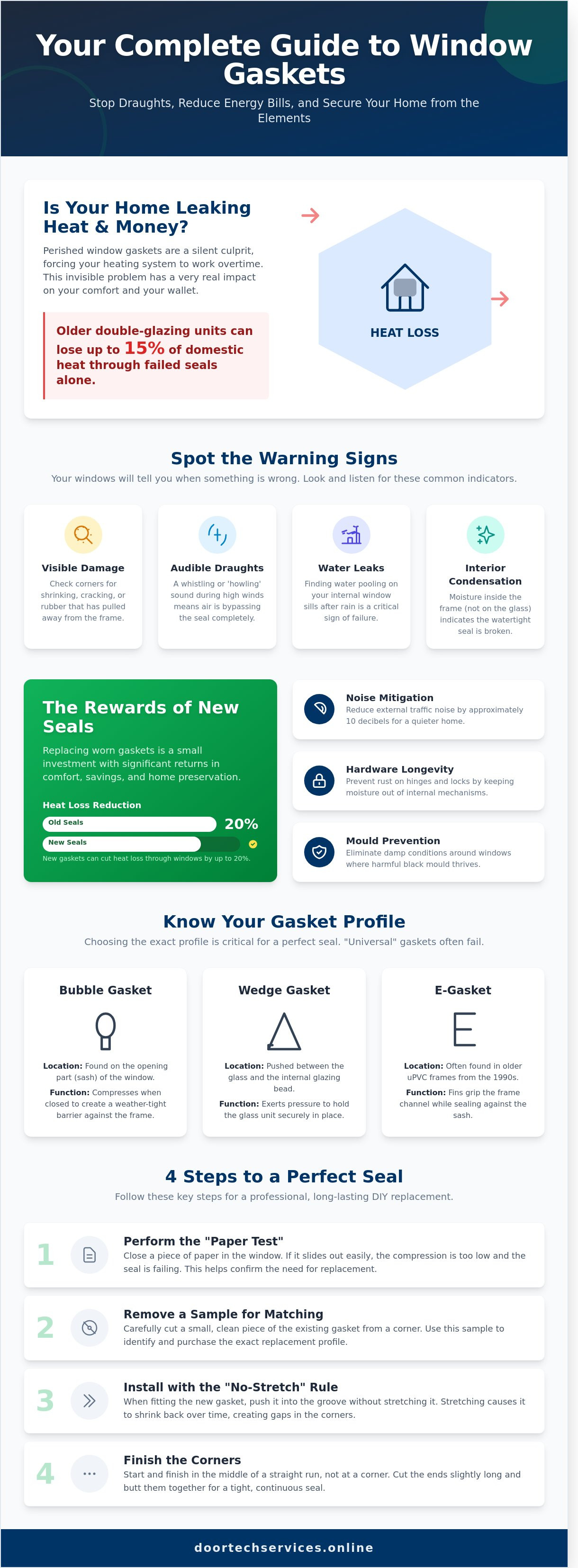
Why is your living room still freezing when the heating is cranked up to 21°C? You have likely noticed that irritating whistling sound during a gale or felt a sharp chill every time you walk past the frame. It's frustrating to watch your monthly outgoings climb while heat escapes through invisible gaps. Most UK homeowners don't realise that perished window gaskets are the silent culprit, often responsible for up to 15% of domestic heat loss in older double-glazing units.
Replacing these seals shouldn't be a guessing game or a source of stress. We agree that the hundreds of available profiles make identification feel overwhelming, but securing a perfect fit is essential for a draught-free home. This guide promises to help you identify, measure, and replace your worn seals with professional precision. You'll learn exactly how to restore your windows to their original factory standard to stop water ingress and lock the warmth inside for good.
Key Takeaways
Stop heat loss immediately by identifying the signs of perished seals that compromise your home’s thermal insulation.
Learn why specific profile shapes are vital for the UK market and why "universal" solutions often fail to prevent water ingress.
Use the simple "Paper Test" to accurately measure compression and learn how to safely remove samples for a perfect match.
Master the professional installation of window gaskets with our step-by-step guide, including the critical "no-stretch" rule for maximum durability.
Secure your home with high-quality EPDM or Q-Lon materials that provide a long-term, heavy-duty barrier against the British weather.
Understanding Window Gaskets: The Barrier Against British Weather
Window gaskets are the precision-engineered rubber seals that sit between your glazing and the window frame. These components are your home's primary defence against the relentless UK elements. They create a high-pressure compression seal that keeps warmth inside while locking out wind and driving rain. To understand the wider context of how these materials function, you can research what is weatherstripping? and how it applies to various home apertures. Without functional window gaskets, even the most expensive double glazing will fail to perform its basic duties.
Rubber naturally degrades. Constant UV exposure and the UK's fluctuating temperature cycles cause the material to lose its elasticity. When the rubber hardens, it can no longer maintain a tight seal against the glass. By the winter of 2026, UK households with failing window seals could face an additional £150 on their annual energy bills due to thermal leakage. Heat escapes through these gaps, forcing your boiler to work harder to maintain a steady temperature. We ensure your home remains efficient by identifying these failures before they become costly emergencies.
Signs Your Window Gaskets Need Replacing
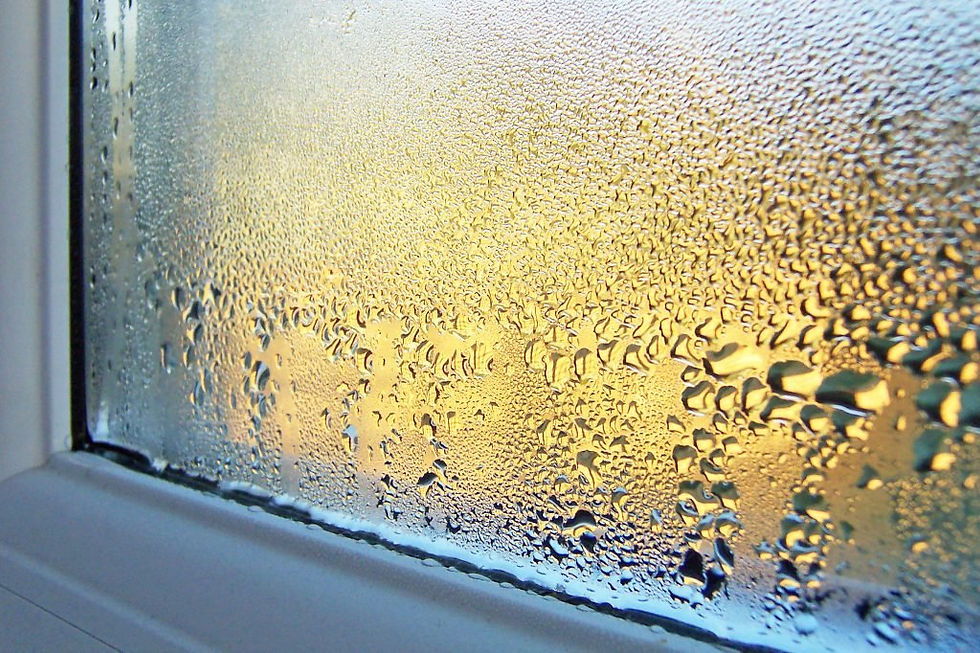
Check the corners of your frames for visible shrinking or cracking. If the rubber has pulled away, the seal is broken. You might notice an audible whistling or "howling" sound during high winds, which indicates air is bypassing the gasket entirely. Heavy rain often reveals the most urgent issues; look for water pooling on your internal window sills. If you see moisture inside the frame, your window gaskets are no longer watertight. We recommend immediate inspection to prevent structural damage to your property.
The Benefits of Fresh Window Seals
Reduced Energy Costs: New gaskets can cut heat loss through windows by up to 20 per cent.
Noise Mitigation: Fresh seals provide a seamless barrier that reduces external traffic noise by approximately 10 decibels.
Mould Prevention: Stopping water ingress eliminates the damp conditions where black mould thrives around window reveals.
Hardware Longevity: Keeping moisture out of the internal track prevents your hinges and locking mechanisms from rusting.
Restoring your windows is a straightforward process when you have the right expertise. We arrive on time and provide a transparent assessment of your seal integrity. Don't wait for the next storm to test your home's defences. Secure your property and lower your bills with a professional gasket replacement today.
Common Window Gasket Profiles in the UK Market
Identifying the correct profile is the first step to a draught-free home. The UK market relies on precision-engineered shapes that match specific frame grooves. Don't rely on "universal" seals. These generic options often fail to create an airtight seal; this leads to a 15% increase in heat loss through gaps. Professional window gaskets are designed for exact tolerances. Most modern systems use EPDM (Ethylene Propylene Diene Monomer) or TPE (Thermoplastic Elastomer). These materials offer high elasticity and resistance to compression set. Always choose UV-stabilised rubber to prevent the gasket from becoming brittle after 7 or 8 years of sun exposure.
Wedge Gaskets and Bubble Gaskets
Wedge gaskets feature a tapered, triangular profile. You'll find these pushed into the gap between the glass unit and the internal glazing bead. They provide the necessary pressure to hold the glass & glazing bead secure. In contrast, bubble gaskets have a circular, hollow centre. These are compression seals located on the opening sash. When you close the window, the bubble flattens to create a weather-tight barrier. Standard UPVC systems like Eurocell or Liniar often require specific bubble heights, typically ranging from 3mm to 5mm, to function correctly. If your windows feel stiff or let in a draught, consult a specialist to ensure you have the right fit.
E-Gaskets and High-Performance Foam Core Seals
Older UPVC frames from the 1990s often utilise E-Gaskets. Their "E" shape allows the fins to grip the frame channel while providing a flexible seal against the sash. For a premium upgrade, high-performance foam core seals are a popular choice. This type of seal uses a unique water-repellent foam core wrapped in a tough polyethylene skin. It maintains 99% of its original height even after 10,000 compression cycles. Such advanced seals are often the top choice for coastal properties where high winds and salt spray punish standard rubber. These high-performance foam core seals offer superior thermal performance and acoustic insulation compared to basic TPE window gaskets.
How to Identify Your Window Gasket Profile Correctly
Start your assessment with the "Paper Test" to confirm if your seals have failed. Slide a standard sheet of A4 paper between the window sash and the frame, then lock the window. If you can pull the paper out with no resistance, your window gaskets have lost their compression and require immediate replacement. This simple check identifies exactly where draughts are entering your home.
To get a perfect match, you need a physical sample. Use a sharp utility knife to cut a 30mm section of the existing seal from the hinge side of the frame. This area usually stays better preserved than the bottom rail. Once you have this sample, clean off any grit or debris. You can then use the Door-Tech Services website to compare your sample's cross-section against our high-resolution profile charts. This visual comparison is the most reliable way to ensure you order the correct replacement.
Measuring the Glazing Gap
Never rely solely on the dimensions of your old gasket. Rubber components often shrink by 10% to 15% over a 12 year lifespan. Instead, use digital calipers to measure the "glazing gap." This is the distance between the glass unit and the internal face of the frame channel. Even a 1mm difference matters. A gasket that is 1mm too thick puts excessive pressure on your locking gear, which can lead to snapped handles or failed gearboxes. Accuracy here saves you from expensive hardware repairs later.
Identifying the "Arrowhead" or "Fin"
The "arrowhead" is the part of the gasket that pushes into the groove of the PVCu or aluminium frame. You must measure the width of this arrowhead precisely. Most UK frames use a 3mm or 4mm groove. If the fit isn't snug, the gasket will pull out every time you open the window. We see many homeowners struggle when their original profile is no longer manufactured, especially for frames installed before 2005.
In these situations, you must select a compatible universal profile that maintains the thermal integrity of the unit. Proper selection ensures your installation complies with UK building regulations for window components regarding airtightness. If your original shape is obsolete, look for a "bubble" or "flipper" seal with a matching arrowhead base. This provides a modern, high-performance solution for older frames. Our technical team can help you identify these alternatives to restore your home's security and warmth quickly.
Replacing Window Gaskets: A Step-by-Step DIY Guide
Start by stripping every centimetre of the old, brittle seal from the frame. Preparation is the foundation of a watertight home. Use a stiff brush or a vacuum to remove 10 years of accumulated grit and moss from the internal channels. Even a 1mm layer of debris prevents window gaskets from seating correctly, which leads to immediate whistling draughts. Wipe the track with a damp cloth and let it dry completely before you begin the installation process.
Precision is vital during the fitting stage. Follow the "no-stretch" rule strictly. Avoid pulling or tensioning the rubber as you press it into the groove. Rubber has a natural memory; if you stretch it during installation, it will eventually shrink back to its original form. This creates gaps in the corners within 48 hours, rendering the repair useless. Instead, push the gasket into the channel firmly, allowing the material to sit in its relaxed state.
Corners require a strategic approach to ensure a total seal. For a professional finish, use the continuous loop method. Start at the top centre of the frame and work your way around, gently folding the gasket into the corners without cutting it. If the profile is too thick for looping, you must perform a 45-degree mitre cut. Join these mitred ends with a tiny drop of instant adhesive to prevent water ingress. Once finished, check that the sash closes and locks without excessive force. A seal that is too thick can put 15% more stress on your locking gear, leading to mechanical failure.
Tools You Will Need for the Job
Sharp gasket shears: These provide the clean, square cuts necessary for airtight joins. A standard utility knife works if the blade is fresh.
Soapy water: A 5% solution of washing-up liquid acts as a temporary lubricant for stubborn EPDM channels.
Gasket roller: This tool applies even pressure, seating the profile 30% faster than using your thumbs alone.
Common Fitting Mistakes to Avoid
Never cut the material flush to the frame ends. Always allow 1% extra length for natural thermal shrinkage. If your window measures 100cm, cut 101cm of material and "crowd" the excess into the track. Avoid forcing a wedge gasket that feels too tight. Forcing a profile that is 0.5mm too thick can create enough pressure to crack double-glazed units, resulting in a £200 replacement bill. If the window won't lock easily, the profile is likely incorrect for your specific frame.
If you're struggling to find the right fit or need a professional to restore your home's security, contact our team for
today.
Secure Your Home with High-Quality Replacement Gaskets
Door-Tech Services stands as one of the UK’s reliable partners for professional-grade window hardware. We don't just sell parts; we provide the exact components needed to restore your home's thermal efficiency. Our inventory features high-performance EPDM and Q-Lon materials, which offer a service life of up to 20 years. We understand that a failing seal leads to immediate heat loss and rising energy bills. That’s why we prioritise 24-hour dispatch on all stock items across the mainland. Our technical team handles hundreds of enquiries every week, helping homeowners match obscure profiles with 100% accuracy. If you can't find your match, send us a photograph of the profile end, and we'll identify it for you within one working day.
Our Range of Gaskets and Seals
Finding the right fit is simple with our curated selection of window gaskets and seals. We supply Universal Bubble Gaskets that adapt to various PVCu frame grooves, making them a top choice for versatile repairs. For more specific gap sizes, our Wedge Gaskets come in precise thicknesses ranging from 2mm to 5mm to ensure a watertight fit. To achieve maximum insulation, we recommend Schlegel Q-Lon seals. These gaskets can reduce air leakage by as much as 35 percent, providing a noticeable difference in room temperature and external noise reduction. We sell these by the metre, so you only pay for what you actually need for your project.
Beyond Gaskets: Complete Window Maintenance
A comprehensive repair often requires more than just new seals. If your window is stiff or won't close flush, you should inspect your Friction Stays. Replacing these hinges alongside your window gaskets ensures the sash pulls tightly against the frame, eliminating the small gaps that cause whistling sounds. You can also upgrade your security and aesthetics by installing fresh Window Handles at the same time. We take a no-nonsense approach to hardware supply. You get trade-quality parts delivered directly to your door without the premium price tag or unnecessary delays. Our goal is your safety and long-term comfort. We provide the tools and parts you need to get the job done correctly the first time.
Fast national delivery across the UK.
Professional-grade EPDM and Q-Lon materials.
Expert profile matching support.
Comprehensive range of hinges and handles.
Restore Your Home's Weather Shield Today
Identifying the right profile is the first step to restoring your home's thermal efficiency. Worn seals can increase annual heating bills by up to £145 during a typical British winter. By upgrading to high-quality window gaskets made from EPDM or Schlegel Q-Lon materials, you ensure a draught-proof seal that's tested to withstand 600 Pa of wind pressure. Our specialist UK-based team provides expert support to help you identify the exact part you need from our extensive 2026 hardware catalogue.
Don't let a failing seal compromise your security or comfort. We provide fast national shipping on all hardware to get your repairs finished without delay. Precision-engineered materials mean your windows will perform like new; they'll keep the rain out and the heat in for at least a decade. Browse our full range of replacement window gaskets and seals to find your perfect match. You've got the skills to fix it, and we've got the professional-grade parts to make it last. Take control of your home maintenance today; a warmer, more secure house is only a few clicks away.
Frequently Asked Questions
How do I know which window gasket I need?
You identify the correct seal by cutting a small cross-section of your existing gasket and matching it to a profile chart. Manufacturers like Rehau, Veka, and Liniar all use distinct shapes. Measure the width and depth of the groove in millimetres using a digital caliper to ensure a 100% precise fit. A visual match is the only way to guarantee a weather-tight seal.
Can I replace window gaskets myself?
You can definitely replace most gaskets as a DIY task without any specialist power tools. It's a straightforward process of pulling the old rubber out and pressing the new profile into the channel. Most homeowners complete a single window in under 20 minutes. Just make sure the frame is free of grit and debris before you start the installation.
Is there a universal window gasket that fits all PVCu windows?
No single gasket fits every window because PVCu profiles vary significantly in groove width and compression requirements. While some "universal" wedge gaskets claim to fit 90% of frames, they often leave small gaps that reduce thermal efficiency by 15% or more. Always buy the specific profile designed for your frame brand to ensure your home stays warm and secure.
How much does it cost to replace window gaskets in the UK?
Budget between £1.50 and £4.50 per linear metre for high-quality window gaskets in the UK market. For a typical three-bedroom semi-detached house, the total material cost usually sits between £75 and £140. If you hire a professional technician, expect to pay an additional £150 to £250 for the labour and expert calibration of the window sashes.
Why is my window still draughty after replacing the seal?
Your window is likely still draughty because the hinges or locking "espags" are misaligned and don't pull the sash tight enough. Even a brand-new gasket can't stop air leakage if there's a gap larger than 3mm between the frame and the opening. Check your friction stays for wear; if they're over 10 years old, they probably need replacing to restore a proper seal.
How often should window gaskets be replaced?
Replace your window gaskets every 5 to 10 years to maintain optimal energy efficiency. Over time, UV rays and British weather cause the rubber to perish, making it brittle and less effective at blocking wind. If you notice the seal has flattened by more than 25% or feels hard to the touch, it's no longer providing the protection your home needs.
What is the difference between a wedge gasket and a bubble gasket?
A wedge gasket is a solid, tapered strip of rubber pushed into the gap between the glass and the frame. A bubble gasket features a hollow, circular top that compresses when you close the window. Wedge gaskets are standard for securing glass units in older frames. Bubble gaskets provide a superior airtight seal on the opening parts of modern PVCu windows.
Do I need glue or adhesive to fit new window gaskets?
You don't need glue for the main installation because gaskets are designed to lock into the frame groove using a friction-fit barb. Using adhesive can actually make future maintenance difficult and may damage the PVCu surface. The only exception is the corners; apply a single drop of specialist mitre bond to join the ends for a continuous, 360 degree weather barrier.


Comments